By John Dobberstein, Editor
After a firm reached out to the city a few weeks ago about a data center proposal on Broken Arrow’s east side, nothing has changed yet.
But city officials on Thursday said they support the Data Center Customer Ratepayer Protection Act, signed into law recently by Gov. Kevin Stitt. With data centers being proposed across the U.S., many residents have expressed concerns over potential rate hikes from utilities.
“On behalf of the City Council, we applaud the state legislature for listening to the legitimate concerns Oklahomans have about the potential financial impacts that new data center developments in the state could have on utility rates and bills,” City Manager Michael Spurgeon said in a statement.
“(The Act) will hopefully provide some sense of relief for customers that the costs of the large loads of electricity used by data centers will be paid only by the data center and not passed on to individual ratepayers.”
According to city officials, the act mandates that the Oklahoma Corporation Commission, municipal utilities, cooperatives and other stakeholders must ensure costs caused by large-load customers are allocated to those customers only and not shifted to other rate classes.
Rates must remain “fair, just, and reasonable,” the city’s summary of the legislation says.
The Act also requires every electric supplier create and maintain separate terms, conditions and tariffs exclusively for large-load customers. Large-load customers, or their developers, buying land outside an industrial park or municipality must notify the Corporation Commission, county commissioners and all adjacent property owners by certified mail within 60 days of purchase.
The penalty is $1,500 per day for violation and is collected by the impacted counties.
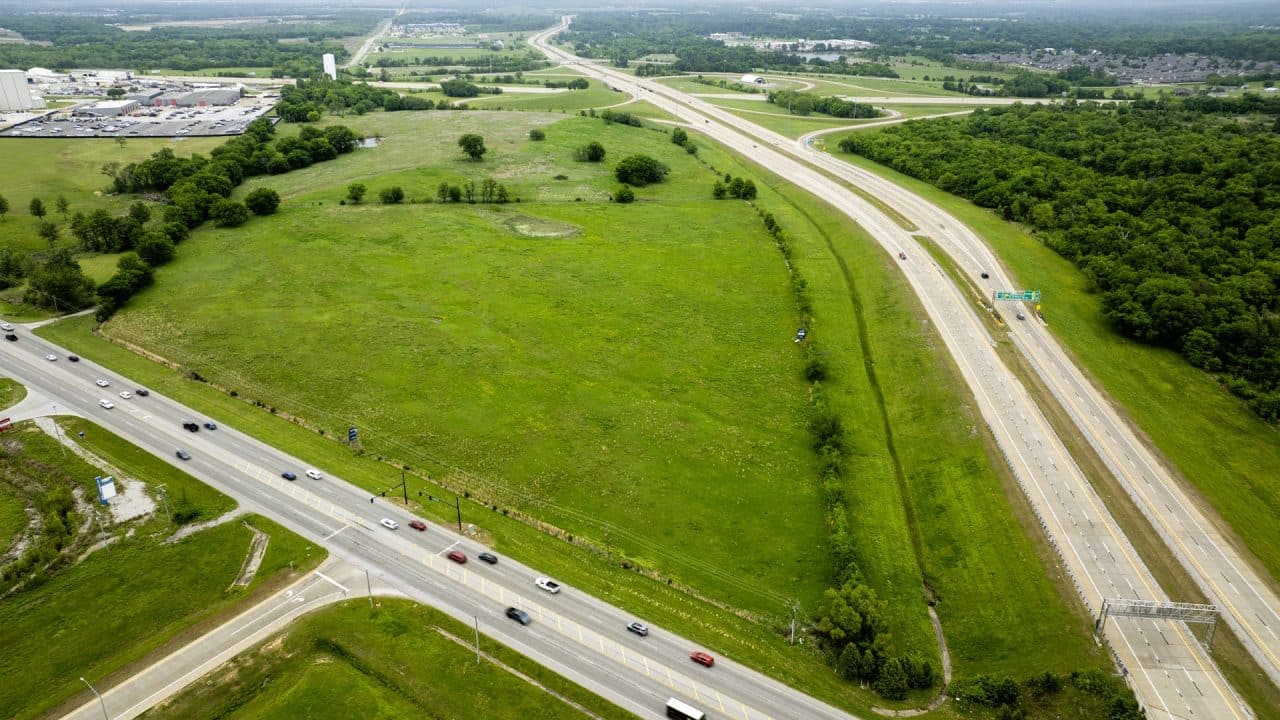
City officials said there has been no change in the status of a proposed data center, which would be located near 81st Street and the Creek Turnpike. The city was notified on April 30 about a company’s interest in having a “pre-development meeting” with city staff about land use and zoning requirements for such a project.
Spurgeon said he expects the meeting to take place in early summer, but it has not yet been scheduled.
The proposed data center for Broken Arrow could have an electrical load of 100 to 150 megawatts, but the cooling system, electrical needs and compatibility with the city’s zoning laws is still an open question.
The owner of the property where the data center would be located is Rex Robertson, who has a letter of intent to sell the property to an unidentified company if the project gets the necessary zoning approvals.
The 51-acre property at 8521 S. 209th East Ave. sits across the highway from the 90-acre Creek 51 Industrial Park, which is on land Robertson owns. Spurgeon said Robertson secured a TIF agreement with the city in 2019 to help pay for the cost of developing the industrial park.
Spurgeon said Thursday the city and the Broken Arrow Economic Development Corp. have begun a “due diligence” process to research concerns Broken Arrow citizens have and the potential impacts data centers may have on the community.
“We’re developing areas that we need to investigate, questions we need to ask, as part of a thorough, comprehensive review to be prepared when the company comes forward with the pre-development meeting,” Spurgeon said.
“Some of the concerns residents have shared, we share those exact same concerns. For example, noise, traffic management, environmental concerns — all of those things that residents are concerned about, they’re on our list, too, and are part of our due diligence.”
At this point, Spurgeon says, the prospective company of the data center is unknown. No non-disclosure agreements (NDAs) have been signed about the potential project, “and will not be signed,” he said.
Spurgeon says neither he or any member of the City Council has met with representatives of the prospective company and no incentives or assistance from the city for the project have been discussed, requested or agreed to.
The pre-development meeting, should it occur, would not be open to the public and typically have not been in the past. But any subsequent applications and requests would be considered in public.





Leave a Reply