By John Dobberstein, Editor
The fate of monarch butterflies has raised much concern in the U.S., as the population has declined by 68% the last two decades due to disappearing milkweed.
Monarch butterflies are known for their extraordinary beauty, but as pollinators, they are essential to our ecosystem. Without pollinators, plant populations decline; nearly 80% of the world’s crop plants require pollination.
Butterflies and other pollinators, such as bees and hummingbirds, contribute to larger, more flavorful fruits and higher crop yields.
The Center for Biological Diversity, along with over 20 other conservation organizations, called on Congress last month to provide more than $100 million per year for the conservation of monarch butterflies to help stem their rapid population decline and prevent extinction.
“More than America’s most beloved butterfly, the monarch is a symbol of wonder, transformation and resilience,” said Stephanie Kurose, deputy director of government affairs at the Center for Biological Diversity. “This may be Congress’ last chance to save monarchs before they become the face of the extinction crisis.”
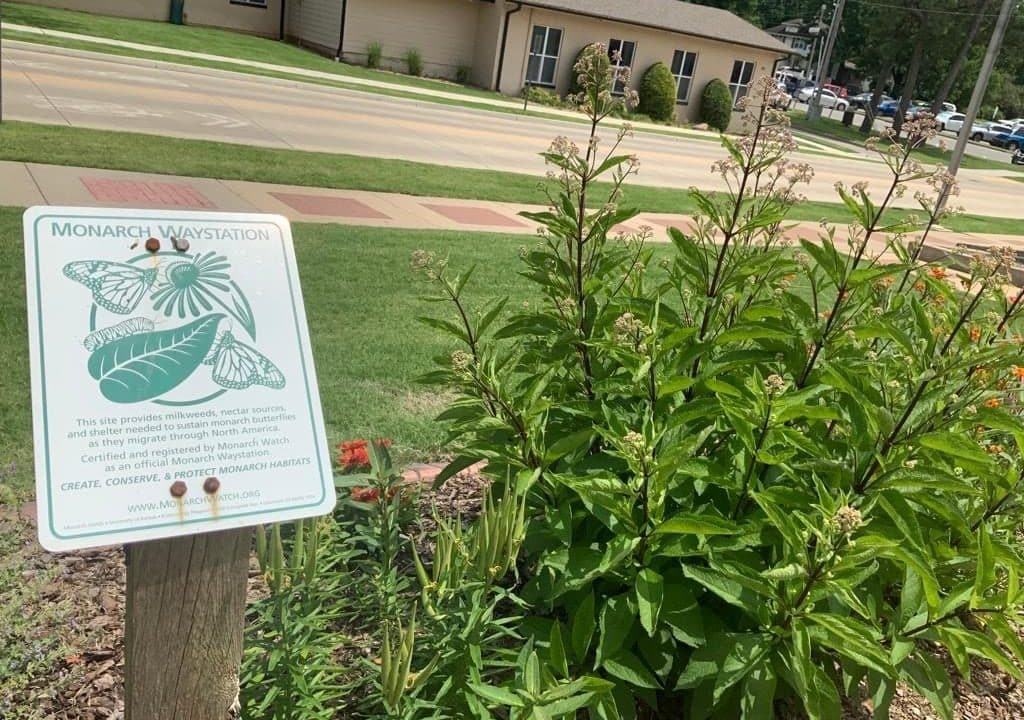
Creating monarch waystations can play a crucial role in preserving these pollinators.
To that end, the Broken Arrow Monarch Movement (BAMM) has partnered with the Broken Arrow Parks and Recreation Department and Broken Arrow Public Schools to create Monarch waystations throughout the community.
These waystations contain milkweed and other plants to attract monarchs and other pollinators.
Those wanting to help the butterfly population by growing a Monarch Waystation, free milkweed mix garden seeds are available at Ray Harral Nature Center, 7101 S. 3rd St., Monday-Saturday, 10 a.m.-7 p.m.





Leave a Reply