By John Dobberstein, Editor
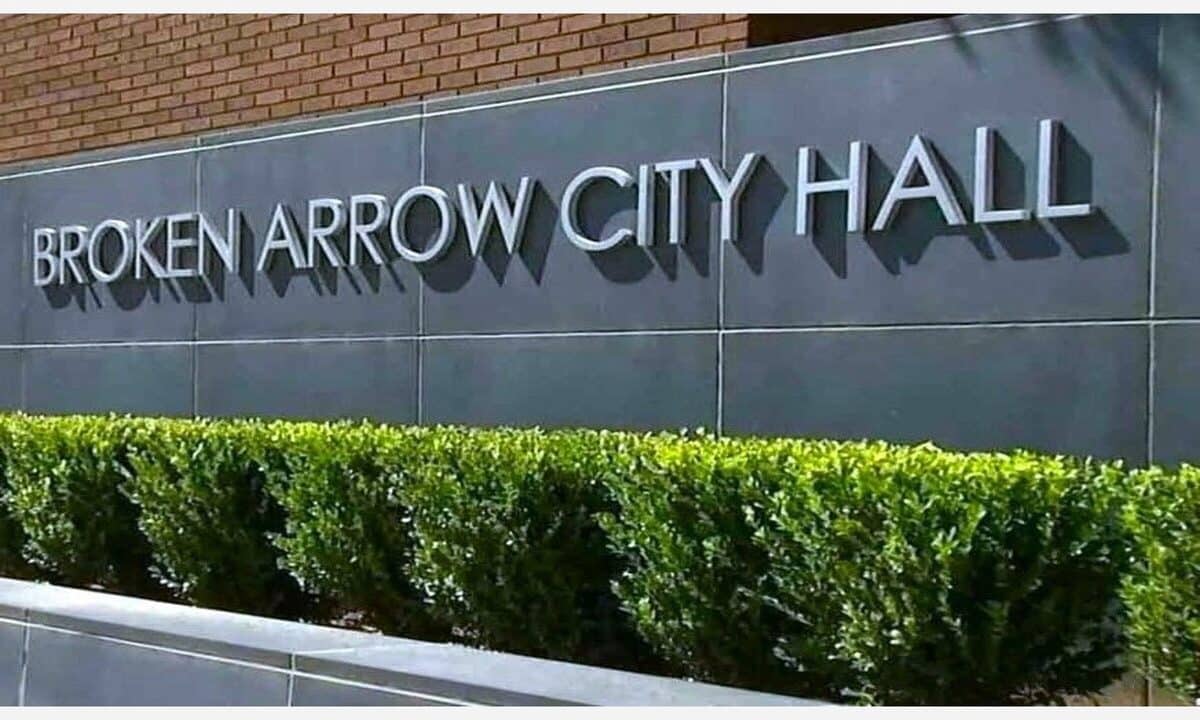
City officials are still studying the potential impacts of data centers and there are no imminent projects on the horizon, Broken Arrow City Manager Michael Spurgeon said Tuesday.
The City Council approved a moratorium in June on any data center proposals that expires at year’s end so city officials could investigate the impacts of large-scale data centers on local resources and create appropriate zoning regulations to be reviewed by the Council.
Spurgeon said rumors spreading on social media that development of a data center is a foregone conclusion are incorrect. “The administration has not reached any conclusions or prepared to make any recommendations,” Spurgeon said. “We’re performing our due diligence and not anywhere close to making a recommendation.”
In June, the city learned of plans for a proposed data center on 51 acres in the 8500 block of S. 209th East Ave. But a letter of intent to sell the property expired and was not renewed.
Had the letter been renewed the next step would have been a pre-development meeting between the developers and the city, but no meeting was ever requested by the site selection company or the company behind the proposal.
After the Broken Arrow Economic Development Corp. was approached in April about the project, city leaders and BAEDC officials said they started researching concerns citizens have about the potential impacts data centers may have on the community.
The city created a “Data Center Study Committee” to provide policy direction focusing on land use, utilities, engineering, finance, economic development, legal considerations, public safety, technology and operational impacts for the City Council.
The Committee, comprised of senior staff and led by Deputy City Attorney James Walters, will be responsible for drafting the final ordinance related to data center development.
Spurgeon revealed the data center committee has been in discussions with officials in Oklahoma City, where a moratorium was approved earlier this year. Oklahoma City is considering separate classifications for hyperscale data center facilities greater than 75 megawatts and those less than that. They’re also grappling with how to address multiple facilities under common ownership and future expansion.
The city has also spoken with Public Service Co. of Oklahoma (PSO), which told the city there is reported 7.1 gigawatts of generation capacity compared with 4.5 gigawatts that is seen in peak summer demand.
“They expressed confidence that data center growth can be accommodated without adversely impacting other customers,” Spurgeon said, noting that state law now requires facilities needing 10-75 megawatts of power must construct a dedicated substation and fund 100% of grid connection costs.
Spurgeon added PSO maintains power generation plus a 60% reserve margin, prioritizes central services during outages and requires data centers to provide PSO with 2 years of estimated power costs to assist with planning.
Spurgeon said he’s seeking out a consultant to help the city draft zoning codes and regulatory modifications for data center proposals. It’s conceivable that he may ask the City Council to extend the moratorium another 6 months.




Leave a Reply